Your credit score plays a bigger role in your life than most people realize. It can affect whether you get approved for a loan, the interest rates you pay, and even opportunities like renting a home or buying a car.
Unfortunately, many people don’t fully understand how credit scores work until they run into problems. Across the country, and even here in Pittsburgh, many individuals discover their credit score matters only when they apply for something important.
Understanding the basics of credit scores can help you make smarter financial decisions and avoid common mistakes.
What Is a Credit Score?
A credit score is a number that represents how reliable you are when it comes to borrowing and repaying money. Lenders use this number to decide how risky it may be to lend money to you.
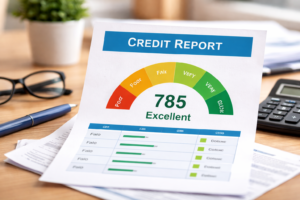
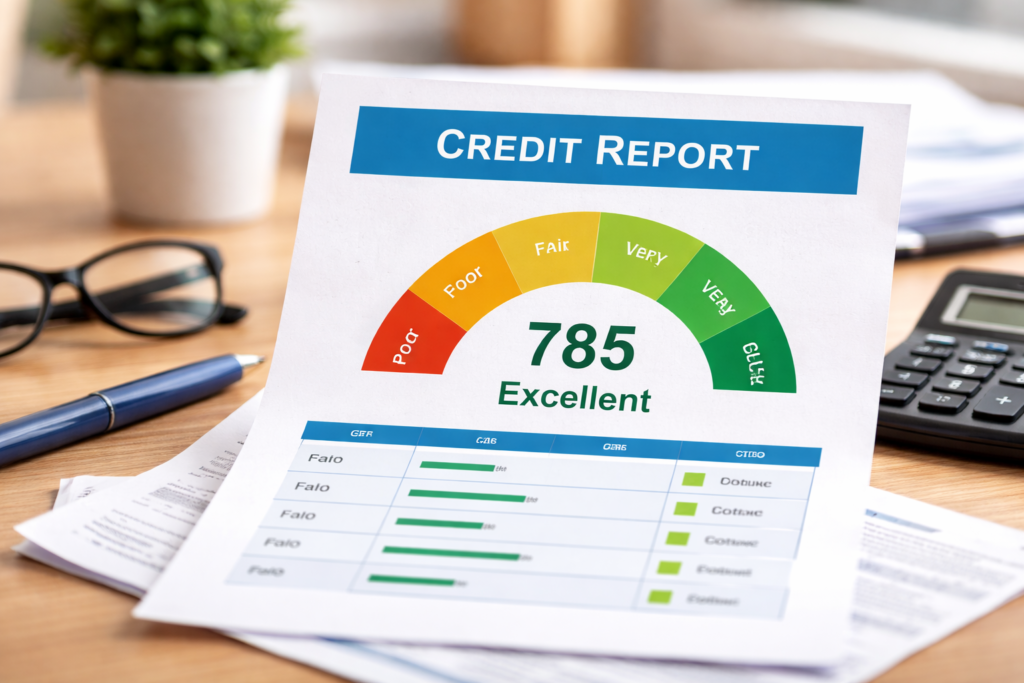
Credit scores usually range from 300 to 850.
Here is a general breakdown:
• 300–579: Poor credit
• 580–669: Fair credit
• 670–739: Good credit
• 740–799: Very good credit
• 800–850: Excellent credit
The higher your credit score, the more confident lenders feel about approving you for credit.
Why Credit Scores Matter
Your credit score affects more areas of your life than you might expect.
It can influence:
• Mortgage approvals
• Car loan approvals
• Credit card offers
• Interest rates on loans
• Apartment rental applications
For example, someone with a higher credit score may qualify for lower interest rates, which can save thousands of dollars over time.
Many people preparing to buy homes in Pittsburgh often discover that improving their credit score is one of the most important steps before applying for a mortgage.
What Affects Your Credit Score
Several factors determine your credit score. Understanding these can help you make better financial decisions.
Payment History
Your payment history is the most important factor. This simply means whether you pay your bills on time.
Late payments can significantly lower your credit score.
Paying your bills consistently on time is one of the best things you can do for your credit.
Credit Utilization
Credit utilization refers to how much of your available credit you are using.
For example, if you have a credit card with a $1,000 limit and you use $900, your credit utilization is very high.
Experts usually recommend keeping your credit usage below 30% of your total credit limit.
Lower balances generally help your credit score.
Length of Credit History
The longer you have had credit accounts open, the better it usually looks for your credit profile.
Closing old accounts can sometimes shorten your credit history, which may slightly affect your score.
Types of Credit
Having different types of credit accounts can also impact your credit score.
Examples include:
• Credit cards
• Car loans
• Personal loans
• Mortgages
A mix of credit accounts shows lenders you can handle different types of financial responsibility.
New Credit Applications
Every time you apply for credit, a lender may check your credit report. Too many credit inquiries in a short period can temporarily lower your score.
This is why it’s important to apply for credit only when necessary.
How to Improve Your Credit Score
Improving your credit score takes time, but there are several simple steps that can help.
Start with these basic habits:
• Pay all bills on time
• Keep credit card balances low
• Avoid opening too many new accounts
• Review your credit report regularly
• Address inaccurate information on your report
Many people who begin improving these habits start seeing positive changes in their credit profile over time.
Here in Pittsburgh, many families preparing for larger financial steps—like purchasing a home—often begin by focusing on improving their credit.
Check Your Credit Report Regularly
One of the most important things you can do is review your credit report regularly.
Your credit report contains detailed information about your credit accounts, payment history, and any negative marks that may affect your score.
Sometimes errors appear on credit reports. Identifying these issues early can help you correct them before they affect your financial opportunities.
Final Thoughts
Your credit score is an important part of your financial life. Understanding how it works gives you the power to make smarter financial decisions.
By paying bills on time, managing credit responsibly, and reviewing your credit reports regularly, you can gradually improve your credit profile.
For many people in Pittsburgh and across the country, building stronger credit is one of the first steps toward larger financial goals like buying a home, qualifying for better loan rates, and achieving long-term financial stability.
The more you understand about your credit score, the better prepared you will be to take control of your financial future.