Your credit profile plays a major role in your financial life. It affects whether you can get approved for loans, rent an apartment, buy a home, or qualify for better interest rates.
Many people think building good credit is complicated, but it really comes down to a few simple habits practiced over time.
Across the country, and here in Pittsburgh as well, many people struggle with credit simply because no one ever explained how the system works.
The good news is that improving your credit profile is possible for almost anyone. It just takes consistency and a clear understanding of what affects your credit.
Understand What Makes Up Your Credit Profile
Your credit profile is built from the information on your credit report. Lenders use this information to decide how trustworthy you are when it comes to borrowing money.
Several factors affect your credit profile:
• Payment history
• Credit usage
• Length of credit history
• Types of credit accounts
• Recent credit inquiries
Each of these areas plays a role in determining your credit score and overall credit health.
Always Pay Your Bills On Time
Your payment history is the most important factor in your credit profile.
Late payments can lower your credit score and stay on your credit report for years.
Even one missed payment can have a negative impact.
Setting reminders or automatic payments can help make sure your bills are paid on time every month.
This simple habit alone can make a big difference in your credit over time.
Keep Credit Card Balances Low
Another important factor is how much of your available credit you are using.
This is called credit utilization.
For example, if your credit card limit is $1,000 and your balance is $900, you are using 90% of your credit.
High balances can lower your credit score.
Many financial experts recommend keeping your credit usage below 30% of your credit limit whenever possible.
Lower balances show lenders that you are managing credit responsibly.
Avoid Opening Too Many Accounts at Once
Every time you apply for credit, a lender checks your credit report. These checks are called hard inquiries.
Too many inquiries in a short period can make lenders nervous and may slightly lower your credit score.
It’s best to apply for credit only when it’s necessary.
Building credit slowly and responsibly often leads to better long-term results.
Keep Older Credit Accounts Open
The length of your credit history also matters.
Older accounts show lenders that you have experience managing credit.
Closing old credit cards can sometimes shorten your credit history, which may slightly affect your credit score.
If an account has no annual fee and is in good standing, keeping it open may help your credit profile.
Check Your Credit Report Regularly
It’s important to review your credit report from time to time.
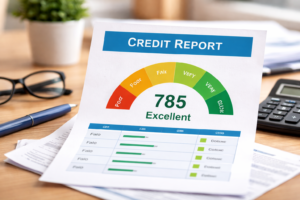
Your credit report shows all the accounts connected to your credit history.
Sometimes errors can appear on credit reports, such as incorrect balances or accounts that don’t belong to you.
Checking your report allows you to catch problems early and take steps to correct them.
Many people in Pittsburgh who begin reviewing their credit reports discover small issues that can be fixed.
Build Credit Slowly and Consistently
Credit building is not something that happens overnight.
Strong credit profiles are usually built over years of responsible financial behavior.
Focus on habits like:
• Paying bills on time
• Keeping balances low
• Avoiding unnecessary debt
• Monitoring your credit regularly
Over time, these habits help create a stronger and healthier credit profile.
Why Strong Credit Matters
A strong credit profile opens doors to many financial opportunities.
Good credit can help you:
• Qualify for better loan terms
• Pay lower interest rates
• Increase your borrowing power
• Improve housing opportunities
• Prepare for homeownership
Many individuals preparing to buy homes in Pittsburgh often start by improving their credit profiles first.
Final Thoughts
Building strong credit is one of the most important financial steps you can take.
It may take time, but simple habits practiced consistently can lead to major improvements.
By paying bills on time, keeping credit balances low, monitoring your credit report, and managing accounts responsibly, you can build a credit profile that supports your long-term financial goals.
For many people in Pittsburgh, learning how credit works is the first step toward better financial stability and future opportunities.